
The Ultimate Guide To Cooking Efficiently On An Induction Chulha
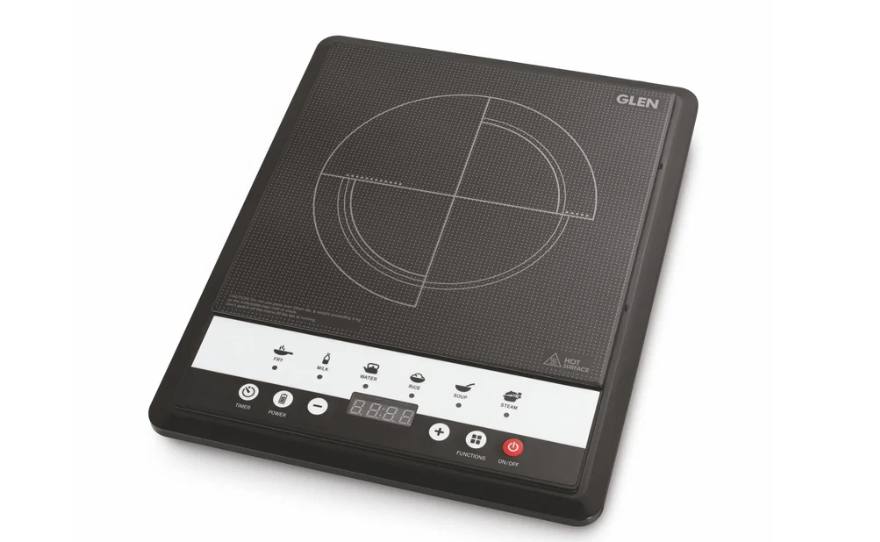
Cooking on an induction stove is one of the smartest switches you can make in your kitchen. The system provides rapid heating and maintains safe operation while delivering better control than a gas flame. But here is something most people do not realise, buying the right induction stove is only half the job. Your daily operational methods determine the electricity savings you achieve and the cooking efficiency you experience throughout the day.
Here are nine simple habits that help you get the most out of your induction chulha every single day.
Choose The Right Cookware Every Time
Energy transfer depends on proper contact. Always use flat-bottom, magnetic cookware that matches the cooking zone. When the base sits evenly on the surface, the induction stove transfers heat without loss.
Avoid warped pans as gaps between the pan and surface reduce efficiency. You can test your cookware with a simple magnet. If it sticks firmly to the bottom, the pan will work well. A top induction stove delivers the best results when paired with the right cookware.
Good cookware is not just about cooking quality; it directly affects electricity use.
Match Pan Size To The Heating Zone
Do not place a small pan on a large cooking zone. The induction stove adjusts power, but mismatched sizes still waste energy. Choose a zone that closely matches the pan’s diameter.
When the heat focuses exactly under the base, cooking becomes faster and more stable. A top induction stove often includes multiple zone sizes. Use them wisely to prevent energy loss.
This simple habit improves efficiency without extra effort.
Cook With Lids On
Steam, which escapes from cooking processes, carries away thermal energy. Your pots retain their heat because you use pot covers. The induction chulha requires less operational time because food cooks at a faster rate. Use tight-fitting lids when boiling rice, lentils, or vegetables. You will experience quicker cooking time with improved control over cooking moisture.
Keep The Surface Clean
Spills create uneven contact between cookware and the surface. Sugar, oil, or food residue may also cause the stove to work harder. Wipe the induction stove after each use. A clean glass surface allows better heat transfer. It also prevents scratches that may reduce long-term efficiency.
The maintenance process protects equipment performance while extending its operational lifespan through damage prevention and increased system efficiency.
Use Preset Modes Wisely
Many models offer preset programs for boiling, frying, or simmering. These modes regulate power levels automatically. When used properly, they prevent energy spikes.
A top induction stove often includes smart sensors that adjust heat as food cooks. Instead of manually increasing and decreasing power, trust these built-in settings. However, avoid using high-power pre-sets for simple tasks, and select the lowest suitable setting for the job.
Cook In Batches When Possible
If you prepare similar dishes daily, try batch cooking. Cook larger quantities in a single session on your induction stove rather than multiple small sessions. For example, boil beans or prepare curry bases for two days at once. This reduces total active cooking hours during the week.
Batch cooking saves electricity and time. It also makes weekly meal planning easier and stress-free.
Ensure Proper Electrical Setup
A stable supply of voltage is one of the basics for the machine to work efficiently. The occasional voltage fluctuation may be caused by loose wiring or weak-quality sockets. Resultantly, the appliance performance goes down, and the energy consumption goes up.
Do not use extension cords; instead, plug your induction cooker into a separate socket. A correct electrical installation guarantees the durability of the appliance as well as its continued efficiency.
Use Smart Features Without Overuse
Modern induction cooktops often come equipped with timers and child lock systems, which enhance cooking safety while improving energy efficiency. The stove should be operated with timers to protect against overcooking while reducing unnecessary cooking time.
Operators should establish proper time limits that allow the stove to turn off when cooking finishes. The maximum heat setting should not be used as the primary cooking method because recipe-based temperature adjustments will maintain food flavour and reduce energy consumption.
Improve Kitchen Ventilation
While induction cooking produces less ambient heat than gas, good airflow still matters. A cool kitchen prevents the need for fans or air coolers running at high speed.
When the kitchen remains comfortable, overall electricity use drops. Simple ventilation habits support efficient cooking.
Cooking with Purpose: Save Electricity On Your Induction Chulha
- Prep All Ingredients First
All ingredients should be prepared before their actual cooking time. The cooking process requires all ingredients to be prepared through vegetable cutting and spice measurement before the stove operation begins. The process stops unnecessary delays because the cooking appliance has already been turned on.
- Plan Your Cooking Process
Plan your cooking process in advance. Do multiple tasks efficiently, begin with something that requires a longer cooking time, and add ingredients accordingly.
- Cook Efficiently Once The Stove Is On
Induction cooks quickly, so concentrate. Don’t pause or leave the stove unattended; continuous cooking saves electricity.
- Use The Right Cookware
Use flat-bottomed, magnetic cookware for induction cooking. Using the right cookware saves time and prevents energy loss.
Conclusion
Induction ovens are already more energy efficient than traditional modes, as they provide concentrated heating and allow faster cooking. But actual savings come from your everyday decisions. Don’t let the cookware of your pots and pans mismatch with the heat source, keep the lids on, adjust the power early, and cook in batches. These ways of energy conservation do not compromise the quality of the food prepared.
An induction stove is one that effectively supports the above practices with accurate controls and advanced features. The induction kitchen appliances that Glen Appliances provides function as modern kitchen solutions that also deliver aesthetically pleasing design, together with simple power management controls.
The combination of proper appliance selection and implementation of effective cooking techniques enables you to achieve energy waste reduction while enhancing your home’s energy performance.
