Best Backup App for Android: Secure Data Fast
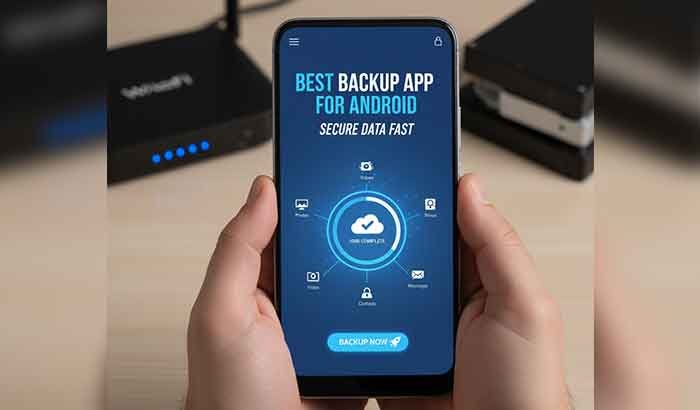
Choosing the right backup app for your Android device can feel overwhelming with so many options available. Your phone stores more than just contacts or photos — it holds messages, videos, app data, and other sensitive information. A reliable backup app ensures that all of this data is safe, secure, and easily recoverable, giving you peace of mind in case of loss, theft, or device failure.
Not all backup apps are created equal. Some focus only on media files, while others provide complete coverage, including SMS, call logs, app data, and system settings. Understanding the essential features of a top Android backup app helps you make an informed choice, ensuring your data is protected quickly, efficiently, and securely.
Why Android Backup Matters
Our smartphones have become digital treasure boxes storing our memories, conversations, important documents, contacts, and work data. Losing that information can feel like losing a piece of life itself. Whether your phone is stolen, lost, or factory reset, the result is the same: valuable data gone in seconds. That’s why finding the best backup app for Android isn’t just smart, it’s essential.
Android users today have more backup options than ever before. Some apps provide complete device backup with cloud integration, while others focus on specific data like messages, call logs, or photos. The key is choosing a secure, fast, and reliable best backup app for Android that works best for your needs.
We’ll cover everything you need to know about the top-rated apps, how to secure your data, real-life examples, and expert tips to ensure your memories and data stay safe forever.
What Makes the Best Backup App for Android?
Before selecting a backup app, it’s crucial to understand what features make a backup solution truly effective. Not all apps are created equal — while some focus only on photos or contacts, the best backup app for Android offers speed, security, and versatility. Choosing the right app ensures that all your important data is safely stored and easily recoverable whenever you need it.
Easy Setup and User Interface
A best backup app for Android should be simple enough for anyone to use, even without technical expertise. Clear instructions, intuitive menus, and a straightforward setup process help you start backing up your data immediately. First-time users shouldn’t feel overwhelmed — the app should guide them seamlessly through the backup process.
Speed and Reliability
The app must transfer your data quickly and consistently. Slow backups or frequent errors increase the risk of incomplete or corrupted files. A reliable backup tool ensures that large files, such as photos, videos, and app data, are saved efficiently without interruption.
Cloud Integration
Cloud storage is essential for safeguarding your data from loss or theft. The ability to save backups to services like Google Drive, Dropbox, OneDrive, or proprietary cloud storage ensures your files are accessible from anywhere. Cloud integration also provides an extra layer of protection if your device is damaged or lost.
Data Encryption
Security is non-negotiable. The best backup apps use encryption to protect sensitive files such as messages, passwords, banking data, and personal photos. Encryption ensures that only you can access your backup, keeping your information safe from hackers and unauthorized users.
Automatic Backups
Manually backing up your phone every day is unrealistic. A top-tier app automatically saves data at regular intervals or whenever your device is charging and connected to Wi-Fi. Automatic backups provide peace of mind, knowing that your latest data is always protected without extra effort.
Comprehensive Backup Options
Look for apps that do more than just save contacts and photos. The best Android backup apps also secure SMS, call logs, app data, system settings, and sometimes even Wi-Fi credentials. A comprehensive backup ensures that when you restore your device, everything works exactly as it did before.
Top 5 Best Backup Apps for Android (2025 Edition)
Here’s a breakdown of the most trusted and efficient backup apps available for Android devices in 2025. Each one has unique strengths, so you can choose based on your needs.
1. G Cloud Backup
G Cloud Backup is one of the most reliable cloud-based Android backup tools. It automatically saves your contacts, photos, call logs, messages, videos, and more — directly to a secure cloud server.
Key Features:
- Automatic daily backup
- Supports messages, contacts, call logs, photos, and videos
- Cloud storage with encryption
- Easy restore on new devices
- Works without root
Pros:
✔ Automatic daily backup
✔ Simple setup for beginners
✔ Secure cloud storage
Cons:
✘ Free version has limited space (1 GB)
✘ Internet connection required
Ideal For:
Users who want a hands-off, automatic cloud backup system for daily data protection.
2. Swift Backup
Swift Backup is a powerful app designed for users who want full control. It can back up apps, app data, messages, call logs, and wallpapers — all in one interface. It supports both rooted and non-rooted devices.
Key Features:
- Fast app and data backup
- Cloud support (Google Drive, Dropbox, OneDrive)
- Schedules automatic backups
- Supports rooted devices for deeper data backup
Pros:
✔ Extremely fast backup speed
✔ Advanced users can back up app data
✔ Integration with multiple cloud services
Cons:
✘ Some features require root
✘ Premium plan required for full automation
Ideal For:
Users who want both speed and customization, especially those with technical knowledge.
3. Super Backup & Restore
Super Backup & Restore is one of the simplest apps available for Android users. It’s great for backing up SMS, contacts, call logs, and calendars. You can even schedule automatic backups to Google Drive.
Key Features:
- One-tap backup for contacts, SMS, call logs
- Automatic scheduled backup
- Easy restore function
- Local and cloud backup options
Pros:
✔ Beginner-friendly
✔ Works without root access
✔ Allows selective data backup
Cons:
✘ Doesn’t back up app data completely
✘ UI looks a bit outdated
Ideal For:
Users who need basic backups for contacts, messages, and call history.
4. Titanium Backup (For Rooted Devices)
Titanium Backup is the gold standard for advanced users. It offers full app and system data backups but it requires root access. It’s ideal for users who like tweaking or flashing ROMs.
Key Features:
- Complete app + data backup
- Batch backup and restore
- Cloud and local storage support
- Freeze or uninstall system apps
Pros:
✔ Most complete backup tool for rooted phones
✔ Advanced options and customization
✔ Reliable over the years
Cons:
✘ Requires root
✘ Not beginner-friendly
Ideal For:
Tech-savvy users with rooted Android devices.
5. Google One / Google Backup
If you prefer built-in options, Google One is perfect. It automatically backs up contacts, photos, messages, and more using your Google Account — with integration across all Android devices.
Key Features:
- Automatic daily backups
- Backs up photos, app data, and settings
- Accessible from any device with your Google Account
- Syncs with Google Drive
Pros:
✔ Free with every Android phone
✔ Easy to use
✔ Reliable Google cloud storage
Cons:
✘ Limited to Google storage quota
✘ Doesn’t include all app data
How to Secure Data Fast Using a Backup App
Backing up your Android device doesn’t have to be complicated or time-consuming. With the right approach, you can secure your data fast while ensuring nothing is lost. The key is to follow a few simple best practices that make the backup process efficient, reliable, and fully protected.
Install and Open Your Preferred Backup App
Start by choosing a trusted app such as G Cloud Backup, Swift Backup, Super Backup, or Google One. Open the app and follow the initial setup instructions. A good backup app should have an intuitive interface, making it easy for both beginners and advanced users to navigate and configure backups.
Choose What to Back Up
Decide which data is important to save. Most backup apps allow you to select photos, videos, contacts, messages, call logs, and even app data. Prioritize critical files first — like contacts and work-related documents — then include media files and app data to ensure a complete backup.
Enable Cloud Connection
Link your cloud storage account (Google Drive, Dropbox, or OneDrive) to the backup app. Cloud integration not only makes the backup process faster but also ensures your data remains accessible from anywhere, even if your phone is lost, stolen, or damaged.
Start Backup Over Wi-Fi
For faster transfer speeds, always perform backups while connected to a stable Wi-Fi network. Large files like videos or app data can take significant time, so using Wi-Fi avoids delays and prevents mobile data overuse.
Set an Automatic Backup Schedule
Manually backing up your data every day is unrealistic. Most modern backup apps allow automatic scheduling — daily, weekly, or at custom intervals. Enabling automatic backups ensures your latest data is always protected without any extra effort.
Verify the Backup
After completing a backup, it’s essential to test the restore function at least once. Confirm that photos, contacts, messages, and app data are correctly saved and can be restored. This simple step ensures that your backup is reliable and complete when you need it most.
Cloud vs Local Backup: Which Is Better?
| Feature | Cloud Backup | Local Backup |
| Storage Type | Internet-based (Google Drive, Dropbox) | SD card, USB, or computer |
| Access | From any device | From your storage only |
| Security | Encrypted and password-protected | Safer offline but vulnerable if lost |
| Speed | Depends on Wi-Fi speed | Instant (no internet required) |
| Recommendation | Great for convenience | Great for privacy |
| Best Choice | Use both for maximum safety |
Tips to Keep Your Backup Safe and Private
Backing up your Android device is only half the battle — keeping that backup secure and private is equally important. Even the most reliable backup apps can’t fully protect your data if you ignore basic security measures. Here are practical, easy-to-follow tips to ensure your backups remain safe from hackers, accidental loss, or corruption.
Use a Strong Password for Your Cloud Account
The first line of defense for any cloud backup is your account password. Weak or reused passwords make it easier for unauthorized users to access your data.
Tips:
- Create a password that’s at least 12 characters long, combining letters, numbers, and symbols.
- Avoid common phrases or birthdays.
- Use a password manager to generate and store secure passwords.
A strong password ensures that even if your login details are leaked elsewhere, your backup remains protected.
Enable 2-Step Verification in Google Settings
Two-step verification (2SV) adds an extra layer of security by requiring a second form of authentication, such as a code sent to your phone, when logging in.
Why it matters:
- Even if someone steals your password, they cannot access your cloud backup without the second step.
- Most cloud services, including Google Drive and G Cloud Backup, support 2SV.
Tip: Enable this in your Google Account settings under “Security” → “2-Step Verification” and follow the guided setup.
Avoid Backing Up Over Public Wi-Fi
Public Wi-Fi networks are often insecure and can allow hackers to intercept your data. Backing up sensitive files over such networks can expose your personal information.
Tips:
- Always use trusted Wi-Fi or your mobile data network for backups.
- If you must use public Wi-Fi, consider using a VPN to encrypt your connection.
Keep Your Backup App Updated
Backup apps are frequently updated to fix bugs, improve performance, and patch security vulnerabilities. Ignoring updates can leave your backups exposed to malware or system errors.
Tips:
- Enable automatic updates for your backup app via the Google Play Store.
- Check app update logs to understand new security features.
- Outdated apps may fail to restore backups or miss new Android system protections.
Encrypt Local Backups Before Storing
If you store backups locally on SD cards, USB drives, or computers, encryption is critical. Unencrypted backups can be accessed by anyone who finds or steals the storage device.
Tips:
- Use built-in encryption options in your backup app, like Swift Backup’s encrypted backups.
- For computers, tools like BitLocker (Windows) or FileVault (Mac) can encrypt files securely.
- Store the encryption key separately and never share it online.
Delete Old Backups Regularly
Old backups take up unnecessary space and may include outdated or sensitive data. Keeping old versions increases clutter and risk, especially if the storage device is compromised.
Tips:
- Review backups monthly and remove files no longer needed.
- Keep at least one recent backup in the cloud for emergencies.
- Many apps offer automatic old backup deletion — enable this to reduce manual effort.
Common Backup Mistakes to Avoid
Backing up your Android phone is one of the smartest steps you can take to protect your data. However, even with the best backup apps, many users make simple mistakes that put their data at risk. These mistakes can lead to incomplete backups, corrupted files, or worse — data loss when you need it most. Here’s a detailed look at the most common backup mistakes and how to avoid them.
Forgetting to Schedule Automatic Backups
One of the biggest mistakes Android users make is relying on manual backups. Most people install a backup app, run it once, and then forget about it. Data added after that point — like new photos, messages, or app data — will not be saved.
Why it matters: Without regular backups, any new data can be permanently lost if your phone crashes or gets stolen.
How to avoid it:
- Use a backup app that supports automatic scheduling, like G Cloud Backup or Swift Backup.
- Set daily or weekly backup intervals depending on how frequently you use your phone.
- Enable automatic backups while charging and connected to Wi-Fi for convenience.
Relying on Only One Backup Source (Cloud or Local)
Many users think that backing up to one source — either cloud or local storage — is enough. While cloud backup protects against physical loss or theft, it is dependent on internet access and can be vulnerable to account issues. Local backups are safe from online threats but can be lost if the device or storage media is damaged.
Why it matters: Relying solely on one method increases the risk of total data loss.
How to avoid it:
- Combine cloud and local backups for maximum security.
- For example, use Google Drive or G Cloud Backup for online storage, and simultaneously save a local copy on your SD card or computer.
- This ensures redundancy and keeps your data safe in multiple locations.
Not Checking Available Storage Space Before Backup
Backing up large files without checking storage is a common oversight. Cloud storage accounts have limits, and local storage like SD cards or internal memory can run out unexpectedly. If space is insufficient, backups can fail midway, leaving data incomplete.
Why it matters: Incomplete backups are essentially useless, because you may think your data is safe when it isn’t.
How to avoid it:
- Regularly monitor storage space before starting a backup.
- Upgrade your cloud storage plan if needed or free up space on your device.
- Many backup apps, like Swift Backup, notify you when storage is running low — pay attention to these alerts.
Skipping Updates for Backup Apps
Backup apps, like any other software, receive updates to improve performance, fix bugs, and patch security vulnerabilities. Many users ignore these updates, thinking the app will work fine without them.
Why it matters: Outdated backup apps may fail to save data correctly or may not support new Android versions, leaving your backups incomplete or inaccessible.
How to avoid it:
- Enable automatic updates for your backup apps in the Google Play Store.
- Check periodically for updates to ensure the app is compatible with your phone.
- Updated apps also come with faster backup speeds, improved reliability, and better security features.
Not Testing the Restore Function
It’s not enough to just create a backup — you need to make sure it can be restored successfully. Many users assume that backups work without ever testing them. When disaster strikes, they may discover their backups are corrupt, incomplete, or incompatible with their device.
Why it matters: Without testing, you could lose critical data when you actually need it the most.
How to avoid it:
- After creating a backup, perform a test restore on your device or another device.
- Confirm that all files, messages, and apps are accessible and intact.
- Make testing a regular habit, especially after major app updates or system upgrades.
Best Backup Apps for Android (2025)
| App Name | Backup Type | Cloud Support | Free Plan | Ideal For |
| G Cloud Backup | Cloud | Yes | Limited | Everyday users |
| Swift Backup | Cloud & Local | Yes | Partial | Advanced users |
| Super Backup | Local & Cloud | Yes | Yes | Beginners |
| Titanium Backup | Local | Optional | Yes | Root users |
| Google One | Cloud | Yes | Yes | Default Android users |
User Experience: Why These Apps Matter
Imagine your phone crashes, all your photos, contacts, and chat history gone. A reliable backup app gives peace of mind, restoring everything with one tap. Many users report that automatic backups have saved them countless times, especially when upgrading phones or resetting after malware infections.
These apps make it possible to transfer your entire digital life to a new device in minutes. That’s the real power of a good backup app speed, safety, and convenience.
Wrapping Up
The best backup app for Android combines speed, security, and comprehensive features to make sure your data is always safe. From automatic cloud backups to encrypted local storage, these apps offer multiple layers of protection that keep your personal information and important files secure. Choosing the right app transforms backup from a tedious task into a seamless part of your device routine.
By focusing on easy setup, reliability, cloud integration, encryption, automatic backups, and full coverage of your data, you can safeguard everything on your Android device. Regularly updating your backup app and following best practices ensures your data remains fully protected ready to restore whenever needed, making your digital life stress-free and secure.
Read More: Best Cashback Apps For Saving Money Online
FAQs: Best Backup App for Android
Q1: Which is the best backup app for Android right now?
Ans: The best backup app for Android in 2025 is G Cloud Backup for most users. It automatically saves your contacts, photos, videos, and SMS to a secure cloud. For advanced users, Swift Backup offers deeper control, while Google One is ideal for simple, built-in backups. Each app focuses on speed, safety, and reliability ensuring your data stays protected no matter what happens to your phone.
Q2: Can I back up my Android phone without using root access?
Ans: Yes, most modern backup apps don’t need root access. Tools like G Cloud Backup, Super Backup & Restore, and Google One work perfectly on standard Android phones. Root is only needed if you want to back up full system data or hidden app information. For everyday backups photos, contacts, and messages, non-rooted solutions are safe, easy, and effective.
Q3: Are cloud backups really safe for Android users?
Ans: Cloud backups are very secure when you use trusted services with strong encryption like Google Drive or G Cloud. Your data is protected by authentication layers and cannot be accessed without your password. For extra safety, enable two-step verification and avoid public Wi-Fi during uploads. Cloud storage gives you convenience and peace of mind, knowing your files are protected off-device.
Q4: What should I back up regularly on my Android phone?
Ans: You should always back up contacts, messages, photos, call logs, and important app data. Many people forget to include settings, documents, or downloaded media — which can be crucial after a phone reset. A good backup app allows you to select exactly what to save. By keeping everything updated, you ensure that a new phone feels like your old one in minutes after restore.
Q5: How can I back up my Android phone data quickly and securely?
Ans: Install your chosen backup app, connect it to cloud storage, and select the data you want to secure. Run the backup over Wi-Fi for faster transfer. Enable encryption and schedule automatic backups so you never forget. Always test a restore once to confirm that the backup is working properly. Apps like Swift Backup and G Cloud make the entire process quick, safe, and effortless.